18 Sep 2026
Technical Integration of Physical Terminals and Virtual Checkouts in Retail Growth
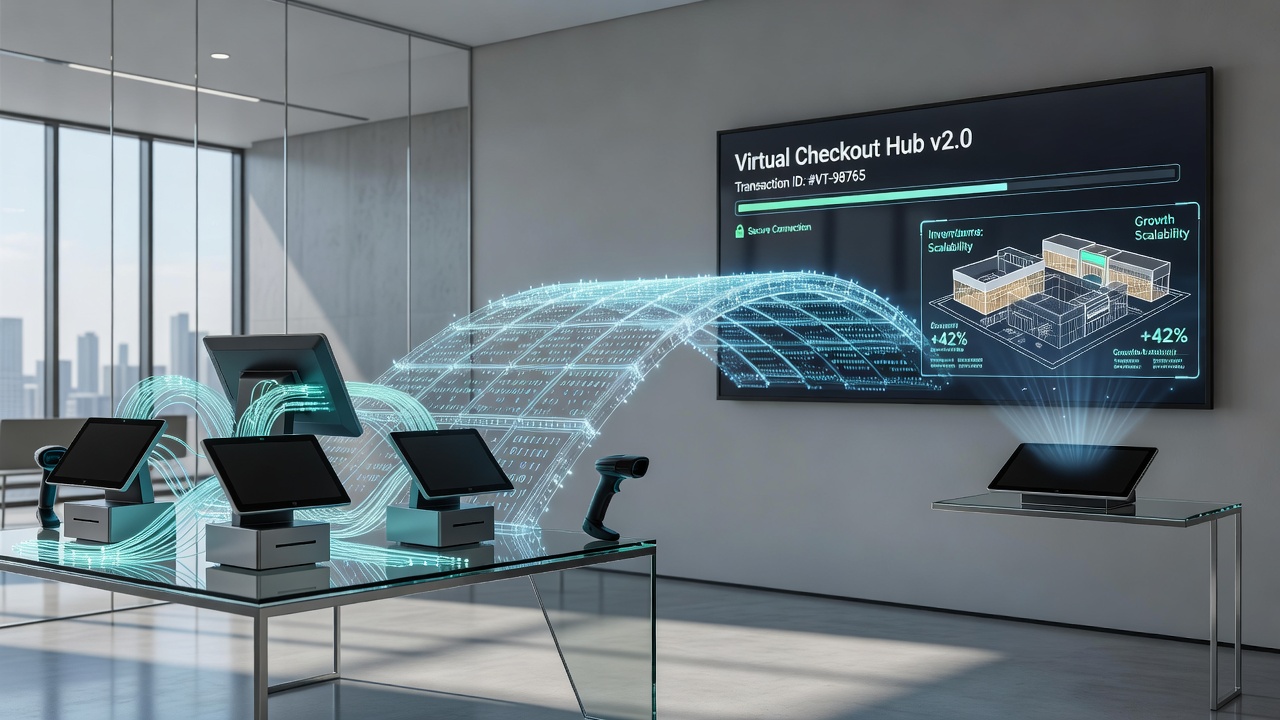
Retail operations expand when companies link established physical terminal networks to virtual checkout systems, and this process requires careful attention to hardware compatibility along with software protocols that handle transaction data across both environments. Observers note that businesses often start by assessing existing terminal infrastructure before selecting integration tools that support real-time data exchange without disrupting daily sales activities.
Core Components of Terminal and Checkout Connectivity
Physical terminals process card payments at fixed locations while virtual checkouts operate through web or mobile interfaces, yet the technical bridge between them relies on standardized communication layers such as APIs and middleware solutions that translate commands between legacy hardware and cloud platforms. Data shows that successful connections depend on matching encryption standards across both sides so that cardholder information remains protected during transfer, and experts point to protocols like TLS 1.3 as common requirements in these setups.
Those who manage retail networks find that middleware acts as the central translator, converting signals from older terminal models into formats that virtual systems can interpret, and this layer also manages session handling to keep transactions synchronized even when network conditions vary. Research indicates that retailers using such middleware report fewer interruptions because the software buffers requests during peak hours while maintaining audit trails for each step.
Security Protocols Across Hybrid Environments
Security remains a shared concern because physical terminals and virtual platforms must both comply with payment card industry standards, which means encryption keys and tokenization methods need consistent application regardless of where the transaction originates. According to PCI Security Standards Council guidelines, unified key management systems help prevent mismatches that could expose data during the handoff between environments.
Retailers expanding operations also consider endpoint detection tools that monitor both terminal firmware and virtual session activity, and these tools alert administrators when unusual patterns appear in transaction logs. Figures from industry reports reveal that integrated monitoring reduces incident response times since alerts cover the full path from physical swipe to digital confirmation in a single view.
Implementation Steps for Expanding Retailers
Planning begins with an inventory of current terminal models and their supported interfaces, after which teams evaluate virtual checkout providers for native support of those interfaces or the availability of compatible adapters. People who have completed similar projects often discover that phased rollouts work best because they allow testing on a small group of locations before wider deployment, and this approach limits the scope of any adjustments needed mid-process.
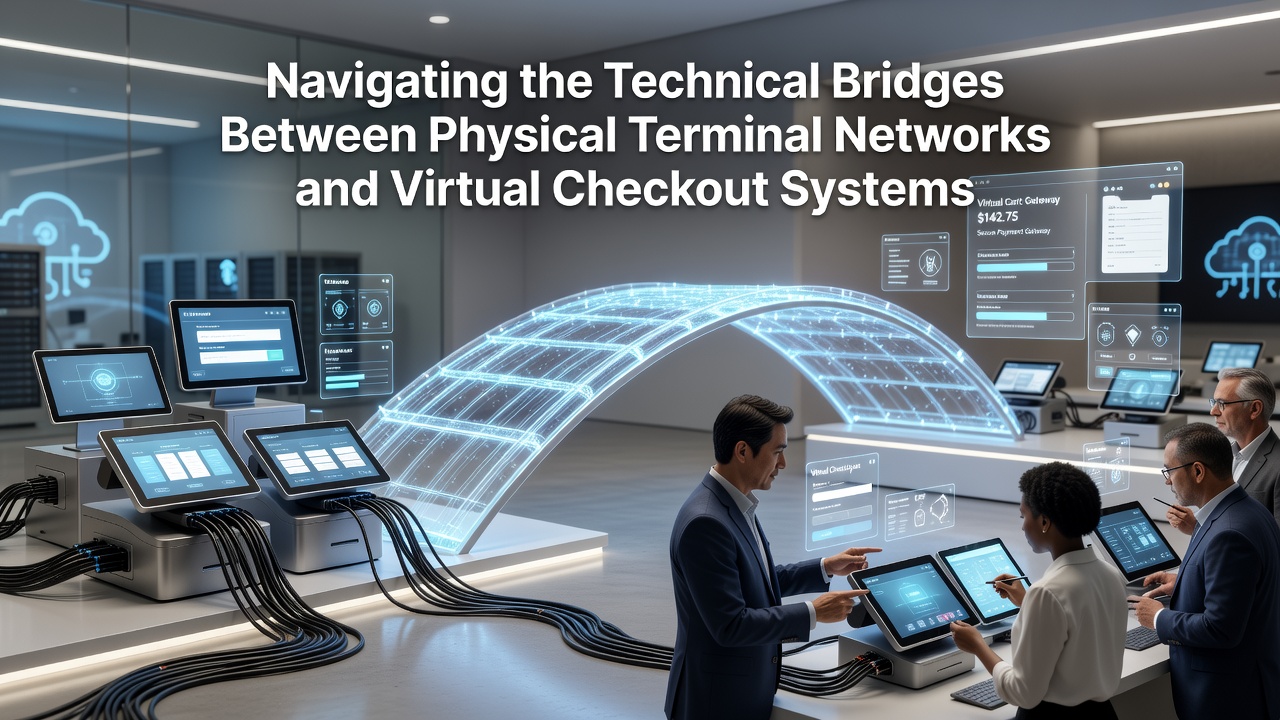
Testing phases focus on transaction speed and error handling under simulated loads, while documentation of each configuration change helps future staff understand the bridge architecture. In September 2026, several hardware vendors plan firmware updates that align older terminals more closely with emerging virtual API versions, which should simplify ongoing maintenance for retailers already using hybrid setups.
Data Flow Management and Reporting
Once connected, the combined system generates unified reports that combine in-store and online sales figures, yet this requires careful mapping of data fields so that product codes and payment types align across both sources. Bank of Canada analyses of retail payment trends highlight how accurate field mapping supports better inventory decisions because operators see real demand patterns rather than fragmented snapshots.
Additional considerations include bandwidth allocation for locations that handle high volumes, since simultaneous terminal and virtual activity can strain shared connections. Observers note that edge computing devices placed near terminals help by processing some validation steps locally before sending summarized results to the central virtual platform.
Conclusion
Retailers achieve smoother expansion when they treat physical terminal networks and virtual checkout systems as parts of one continuous transaction path rather than separate channels, and the technical bridges built today determine how easily new locations and channels can join the same framework later. Continued attention to protocol alignment and security consistency supports reliable performance across the entire operation.